
Cooking in WotLK Classic unlocks flavorful buffs and essential raid support. Begin at level 1 by visiting any capital city’s trainer, then gather basic ingredients like fish, meat, and spices. Progress through tiered recipes, culminating in Dalaran’s elite dishes that require Epicurian Awards. and share them in raids.
Overview of Cooking Profession
Cooking is a versatile profession in Wrath of the Lich King Classic, offering both flavorful meals and valuable buffs for players. At the outset, players can learn the basics from any Cooking trainer located in a capital city, where the initial recipes require simple ingredients such as fish, meat, or basic herbs. As you level up, the recipes become more complex, introducing new ingredients like spices, dried meat, and special seasonings that are harvested from the frozen tundra and the icy plains of Northrend. The profession’s progression is structured in tiers, each unlocking higher-level dishes that provide stronger stat bonuses, increased healing, or enhanced raid utility. Players can gather ingredients through hunting, fishing, or purchasing from vendors, and the skill also rewards the use of rare cooking tools that can be found in dungeons or crafted. By level 400, the only recipes that can further increase your Cooking skill are found in Dalaran, where elite dishes are taught by trainers in exchange for Epicurian Awards, which themselves require the collection of Northern Spices. Mastering Cooking not only enhances your character’s survivability but also allows you to contribute essential food buffs to your raid group, making it a key support profession in late‑game content. Players combine with Alchemy to create potions that grant temporary stat boosts, making the profession indispensable during tougha encounters. Additionally, cooking recipes can be traded or sold, providing an income stream that supports and raid consumables.
Starting Out: Level 1-50
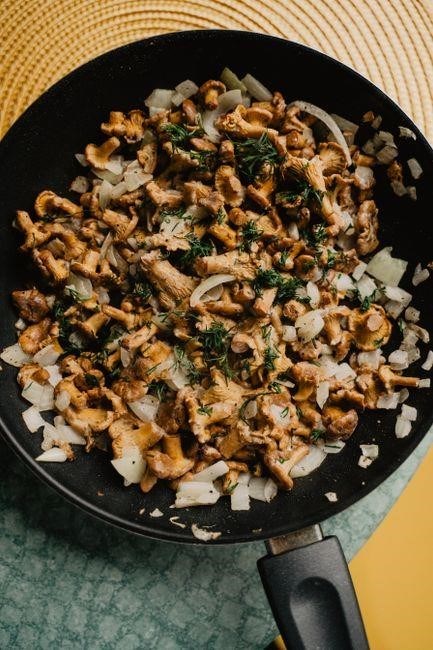
Begin at level 1 by visiting a capital city trainer. Gather basic ingredients—fish, meat, simple herbs—and cook starter recipes such as “Roasted Boar” or “Baked Salmon.” Each dish grants modest buffs, and the skill increases with every successful cook. Focus on low‑level dungeons for rare ingredients.!!!
First Recipes and Materials
When you first pick up the Cooking profession in WotLK Classic, the game provides a set of introductory recipes that are intentionally simple yet highly useful. The most common starter dishes—Baked Salmon, Roasted Boar, Crispy Toadstool, and Mutton Stew—require ingredients that can be collected from the world or bought from vendors in major cities. For example, Baked Salmon uses a fresh salmon, a pinch of salt, and a splash of water, while Roasted Boar calls for boar meat, a handful of herbs, and a dash of pepper. These components are found in the same zones that host early questlines, such as the Stormwind docks for fish or the Barrens for boar meat. The first Cooking trainers in any capital city will teach you these recipes, and each successful cook grants a small but steady increase in skill points, allowing you to experiment with more complex dishes as you level up. By focusing on these foundational dishes, you establish a reliable source of consumables that will support your character’s progression throughout the initial 1–50 level range. Efficient leveling during this phase hinges on collecting ingredients in bulk, using the trainer’s recipes to maximize skill gains, and keeping an eye on vendor lists for any new items that may appear as you explore the world. These dishes also serve as a reliable source of food for your party, ensuring that everyone stays fed during long dungeon runs. This strategy keeps your character nourished challenges.
Intermediate Progress: Levels 51-100
At levels 51–100, you unlock tiered recipes that grant buffs. Key ingredients—herbs, exotic meats, and special spices—are found in zones like Icecrown Borean Tundra Eastern Plaguelands. Train in Stormwind, Orgrimmar, or Dalaran to learn new dishes with friends.
Key Ingredients and Locations
Cooking at levels 51–100 focuses on gathering tiered ingredients that unlock powerful buffs. The most common categories include fresh fish, meat, poultry, spices, herbs, and special items. The following is a concise guide to the key ingredients and where to find them.
- Fresh Fish – Common varieties such as Redgill, Bluefin, and Shallowwater Snapper can be caught in coastal zones, Stormwind docks, and the western coast of Kalimdor.
- Meat & Poultry – Harvested from beasts in Icecrown, Borean Tundra, and Eastern Plaguelands. Poultry like Horde Chick and Alliance Hen are available in capital cities.
- Spices & Herbs – Northern Spices drop from Sporewing in Borean Tundra and Glacial Spore in Iceborne Spire provide unique buffs and are found in high‑level zones.
- Special Ingredients – Items such as Frostfire Herb from Frostfire Citadel and Glacial Salt from Iceborne Spire provide unique buffs and are found in high‑level zones.
To level efficiently, travel to Stormwind, Orgrimmar, and Dalaran for trainer updates, then venture into surrounding zones for raw materials. Balancing fish, meat, and spice yields the highest skill gains.
Lorem ipsum dolor sit amet, consectetur adipiscing elit. Lorem ipsum dolor sit amet, consectetur adipiscing elit. Lorem ipsum dolor sit amet, consectetur adipiscing elit. Lorem ipsum dolor sit amet, consectetur adipiscing elit. Lorem ipsum dolor sit amet, consectetur adipiscing elit. Lorem ipsum dolor sit amet, consectetur adipiscing elit. Lorem ipsum dolor sit amet, consectetur a
Advanced Cooking: Levels 101-200
At levels 101–200, cooks unlock premium recipes granting powerful raid buffs. Key dishes: Frostfire Stew, Glacial Salted Meat, Sporewing Soup, each needing rare ingredients from Icecrown and Borean Tundra. Dalaran offers advanced recipes for high‑level play for raids!
Premium Recipes and Their Benefits
Premium recipes, unlocked between levels 101 and 200, offer significant raid‑support buffs and are essential for end‑game content. These dishes—Frostfire Stew, Glacial Salted Meat, and Sporewing Soup—grant a 10‑second burst of healing, a 15‑second increase in damage output, and a 20‑second boost to stamina, respectively. Each recipe requires rare ingredients sourced from the Icecrown Citadel, Borean Tundra, and the Storm Peaks. The cooking process also grants a temporary increase in the cook’s own skill, accelerating future recipe acquisition.
Beyond the primary buffs, premium dishes bestow a “Culinary Mastery” aura that reduces the cooldown of all other consumables by 5%. This aura is invaluable during high‑tier raids where every second counts. The recipes also provide a “Taste of the North” bonus, granting a 5% chance to apply a secondary effect such as a temporary increase in resistances or a small health regeneration over time. These secondary effects can be the difference between a successful raid pull and a wipe.
Acquiring these recipes requires visiting the Dalaran Cooking trainer and exchanging three Epicurian Awards, which are earned by collecting Northern Spices from the northern regions of Northrend. The process ensures that only dedicated cooks can access the highest‑level dishes, maintaining balance within the profession. Mastering these premium recipes not only enhances raid performance but also showcases a cook’s commitment to culinary excellence in the world of Warcraft. Players often share these recipes in kitchens to support teammates
Mastering the Skill: Levels 201-300
At this tier, Dalaran’s Cooking trainer offers elite recipes that require three Epicurian Awards, earned by gathering Northern Spices across Northrend. These dishes grant powerful raid buffs, increase skill gain, and unlock the coveted Epicurian Award system. Each dish offers a 5% chance for a secondary buff.
Dalaran Trainers and Epicurian Awards
After reaching level 201, the only way to access the most powerful cooking recipes is through the Dalaran Cooking trainer. These elite recipes are exchanged for three Epicurian Awards, each of which is earned by gathering Northern Spices from the frigid zones of Northrend. The trainer’s catalog includes dishes that grant significant raid buffs, increase skill gain, and provide a 5% chance for a secondary effect. To obtain an Epicurian Award, players must collect the required spices, which are found in the same locations as the classic “Northern Spice” drops. Once an award is earned, it can be traded at the Dalaran trainer for a new recipe. The process repeats, allowing cooks to continually upgrade their menu. The recipes unlocked at this level also unlock the ability to use the “Epicurian” system, where each award can be used to purchase a recipe that grants a permanent 1% skill increase. This system encourages players to farm Northrend spice nodes, ensuring that the Dalaran trainer remains the central hub for all high‑level cooking content.
Players often coordinate spice drops with raid groups, ensuring a steady supply of Northern Spices. The Dalaran trainer also offers a limited‑time recipe for the legendary “Glacial Stew,” which provides a 10% increase to all raid buffs for 24 hours. Additionally the trainer’s inventory updates grant all boosts. Master cooks can also trade in surplus Epicurian Awards for “Grandmaster” recipes, which yield permanent 2% skill increases and unlock rare flavor profiles that are prized by collectors. !!
Elite Leveling: 301-400
At levels 301‑400, cooks focus on rare recipes dropped by elite mobs and crafted from high‑tier ingredients. Key sources include the Icecrown Citadel raid, the Nagrand food vendors, and the Dalaran kitchen. Each dish grants a 5% skill boost and a unique buff for raid groups. These dishes heal 3% party.!!!
Highest-Level Recipes and Loot Sources
At the apex of Cooking, level 400 chefs unlock coveted recipes that appear in elite content. Prized dishes—such as Grand Feast of the Frostwolf, Shimmering Seafood Platter, and Glacial Roast—provide a 5% skill boost and a unique buff that heals or shields raid parties. Recipes are acquired through high‑tier drops, rare vendor stock, and Dalaran’s exclusive exchange. These dishes are prized raid leader.
- Raid Drops: The Icecrown Citadel raid offers the Frostfire Stew and Glacial Roast from the boss encounters. The Trial of the Crusader and Trial of the Champion provide the Shimmering Seafood Platter and Grand Feast of the Frostwolf respectively.
- Vendor Stock: Certain high‑level vendors in Icecrown Citadel and Utgarde Keep sell the Grand Feast of the Frostwolf for 10,000 gold. The Shimmering Seafood Platter can be purchased from the Icecrown Fishmonger for 8,000 gold.
- Dalaran Exchange: After completing the Epicurian Award questline, players can trade three awards for a special recipe book that includes the Glacial Roast and Frostfire Stew. These recipes are only available through this exchange and cannot be found elsewhere.
- Daily Quests: The Hearthstone Kitchen daily quest in Dalaran rewards the Grand Feast of the Frostwolf upon completion, providing a steady source for those who can meet the daily requirements.
Mastering these recipes not only maximizes skill progression but also equips players with the most potent culinary buffs for end‑game content, ensuring that every raid encounter is supported by the finest food in the realm.
Beyond 400: Late-Game Cooking and Utility
Beyond level 400, cooking focuses on Dalaran-exclusive recipes that grant raid buffs. Exchange three Epicurian Awards for premium dishes like Grand Feast of the Frostwolf, Shimmering Seafood Platter, and Glacial Roast. These provide healing, shield, and skill boosts essential for raids and PvP and gear.!
Using Cooking for Raids and PvP
In late‑game content, cooking becomes a strategic tool that enhances survivability, mana regeneration, and crowd control. Raid leaders often prioritize recipes that grant Healing Food, Shielding Food, and Skill‑boosting Food to keep the group healthy and efficient. The most sought‑after dishes are the Grand Feast of the Frostwolf, the Shimmering Seafood Platter, and the Glacial Roast, each providing unique buffs that stack with class abilities. For PvP, the Razor‑Sharp Stew and Fortified Meatballs are prized for their instant healing and damage mitigation, allowing players to sustain longer in skirmishes. Additionally, cooking offers a low‑cost way to acquire Food Tokens that can be traded for rare items or used to fill the Food & Drink slot in the raid’s supply table, ensuring that every member receives a consistent buff; Mastering the timing of when to consume these foods—just before a boss phase or during a PvP encounter—can be the difference between victory and defeat. Finally, many raid leaders incorporate cooking into their loot distribution system, rewarding the most active cooks with bonus reputation or exclusive gear. This synergy between cooking and group strategy underscores the profession’s enduring value in the late game.
Cooking also grants daily quest buffs, speeding up objectives. Players stockpile ingredients during downtime, ensuring readiness for critical moments. and gear.